
We’ve all attended a team-building event where everyone was supposed to bond, but most people were quietly checking the time and wondering when they could go home.
Many team-building activities for small groups miss the mark because they try too hard. Complicated games, forced competition, and awkward icebreakers can make employees feel uncomfortable instead of connected. Nobody builds a stronger relationship while worrying about looking silly in front of their coworkers.
So, what actually helps a team connect?
This guide focuses on practical ways to bring a small team together: comfortable settings, clear plans, and activities people can choose to join. Start with your team’s interests and accessibility needs.
Quick Navigation:
- 25 Team-Building Activities for Small Groups
- Why Most Team Building Fails
- A Manager’s Quick Guide to Effortless Planning
- Accessibility and Inclusion Checklist
- It’s Time to Reconnect Your Team
- FAQs
25 Team-Building Activities for Small Groups 👥
With these principles in mind, the following activities focus on genuine connection rather than forced participation. Other outdoor team-building ideas can also give small groups more room to relax, communicate, and work together naturally.
1. A Luxury Pop-Up Picnic 🧺
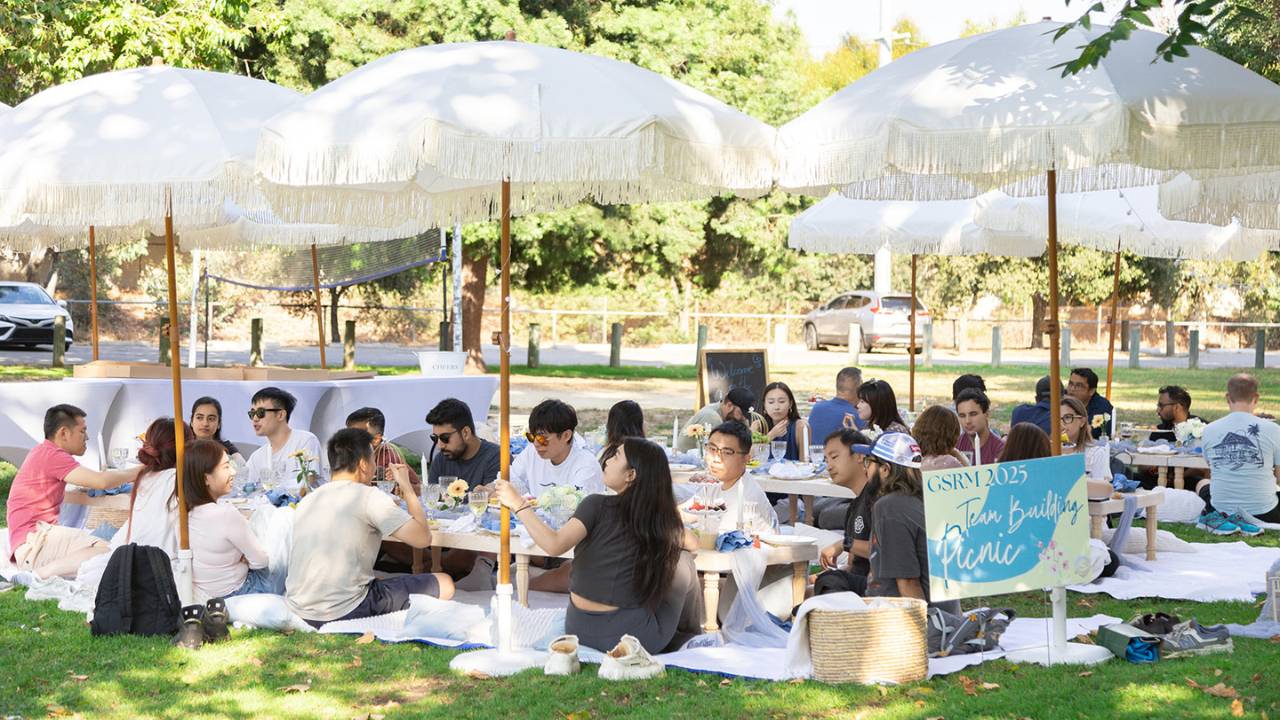
This is our top recommendation for a reason: it’s a hands-off, high-impact event that perfectly embodies “structured relaxation.”
We’ve seen firsthand how this experience transforms a team’s dynamic. Imagine your group arriving at a stunning, fully-styled setup. There are boho-chic tables, comfortable pillows, and beautiful decor, all waiting in an iconic park or beach location.

Corporate luxury picnic. Photo by Picnic Makers
Picnic Makers handles the styled setup and cleanup. Food and catering are separate arrangements, subject to your quote; confirm the menu, dietary needs, and any activities before booking. This gives your team a comfortable setting for conversation with clear expectations about what is included.
The team can talk and enjoy the setting together, with a meal if you have arranged one. Picnic Makers provides corporate picnic setups in Los Angeles and Orange County.
It’s one of the best team-building activities for small work groups because it feels like a genuine reward. This approach elevates the classic corporate get-together into one of many stylish company picnic ideas that leave a lasting impression.
2. Volunteer Day at a Local Charity 💝
Connecting over a shared purpose that extends beyond the bottom line is a powerful way to build team cohesion. This activity grounds your team in shared values and provides a refreshing perspective on what you can accomplish together.
- Why It Works for Connection: Unites the team under a shared goal that’s bigger than work, fostering a sense of collective purpose and pride.
- Best for Teams That Are…: Passionate about community causes or looking to build a stronger sense of shared values.
- A Pro-Tip to Make it Great: Poll your team to choose a cause they genuinely care about. Whether it’s a beach cleanup, a food bank, or an animal shelter, personal investment magnifies the bonding effect.
3. Group Hiking or Nature Walk 💚
Sometimes the best way to break down office walls is to leave them behind entirely. A change of scenery combined with light physical activity can clear heads and open up space for more relaxed, authentic conversations.
- Why It Works for Connection: Walking side-by-side removes the pressure of direct eye contact, allowing conversations to emerge more organically.

- Best for Teams That Are…: Active, feeling creatively stuck, or in need of a serious break from their screens.
- A Pro-Tip to Make it Great: Choose a well-marked trail with a clear destination, like a waterfall or scenic overlook. This provides a sense of accomplishment. And be the hero who packs surprisingly good snacks and extra water.
Pro Tip:
- Pick a trail that is a flat loop rather than a steep climb. You want your team to have enough breath to hold a conversation while they walk.
4. Kayaking or Paddleboarding Tour 🛶
Getting out on the water is an instant pattern interrupt. It’s a fun, engaging way to see your city from a new angle and encourage your team to rely on each other in a new and low-stakes environment.
- Why It Works for Connection: It’s a low-stakes shared adventure that encourages light teamwork and creates fun, lasting memories.
- Best for Teams That Are…: Energetic, adventurous, and comfortable with a little bit of a physical challenge.
- A Pro-Tip to Make it Great: Opt for a guided tour. A guide handles the equipment and safety, so your team can focus on the experience and not worry about logistics. Tandem kayaks are also a great option for pairs.
5. Terrarium-Making Workshop 🌳
This is a calm, focused activity that allows for individual creativity within a group setting. Working with your hands can be incredibly therapeutic, and everyone gets to take home a living souvenir of the day.
- Why It Works for Connection: A calm, tactile activity where everyone can be creative without pressure. It gives quieter team members a chance to shine.
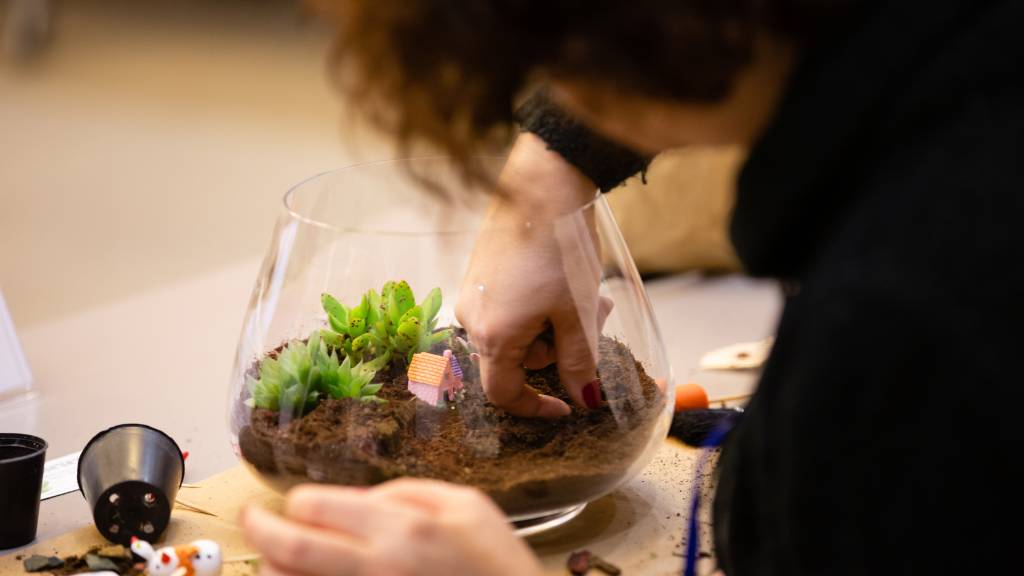
Person arranging plants inside a glass terrarium during a workshop
- Best for Teams That Are…: Creative, detail-oriented, or in need of a relaxing, low-energy activity.
- A Pro-Tip to Make it Great: Frame it as building a “team ecosystem.” At the end, have everyone share one thing their terrarium represents about their role on the team.
6. Scavenger Hunt in a Historic Neighborhood 🔎
Turn your city into a playground. A well-designed scavenger hunt is less about a frantic race and more about a journey of discovery that requires communication, collaboration, and a bit of clever thinking.
- Why It Works for Connection: This isn’t about frantic competition; it’s about collaborative problem-solving and exploring a new place together.
- Best for Teams That Are…: Curious, strategic thinkers who enjoy a good puzzle.
- A Pro-Tip to Make it Great: The final clue can lead to a pre-set celebration spot, a perfect use for one of the best picnic spots in Los Angeles. The prize isn’t winning, it’s the shared meal at the end.
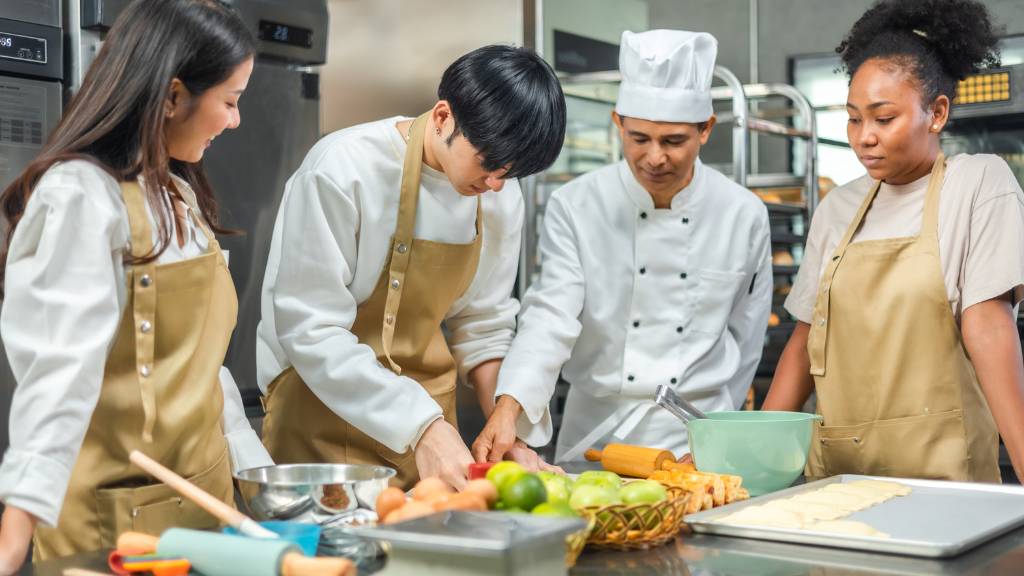
7. Gourmet Cooking Class 👩🏻🍳
The act of preparing and sharing a meal is one of humanity’s oldest bonding rituals. A cooking class puts everyone on a level playing field, encouraging collaboration in a fun, sensory, and ultimately delicious way.
- Why It Works for Connection: Creating something delicious together is a universal bonding experience. It’s collaborative, sensory, and ends with a shared reward.
- Best for Teams That Are…: Foodies, hands-on, or a mix of departments that don’t often collaborate.
- A Pro-Tip to Make it Great: Choose a cuisine that’s new to most of the team, like Thai or Spanish tapas. This puts everyone on the same learning curve and encourages them to help each other.
8. Local Food Tour 🍽️
Explore the story of a neighborhood through its food. This is a fantastic conversational activity where the environment provides all the talking points, allowing the team to simply walk, taste, and connect.
- Why It Works for Connection: It’s a low-pressure way to explore and share discoveries, sparking conversations about personal tastes and experiences.
- Best for Teams That Are…: New to the city, adventurous eaters, or looking for a very low-key, conversational outing.
- A Pro-Tip to Make it Great: Hire a private guide. They’ll have relationships with the vendors, share interesting stories, and handle all the ordering, making the experience seamless.
Pro Tip:
- Collect dietary restrictions privately one week before the tour. This allows the guide to prepare substitutions so no one feels singled out or hungry on the day of the event.
9. “Mocktail” Mixology Class 🍸
Elevate your team’s beverage game in a way that’s fun and inclusive for everyone. This creative workshop focuses on craft, flavor, and presentation, proving that a celebratory drink doesn’t have to contain alcohol.
- Why It Works for Connection: It’s an inclusive, creative, and fun alternative to a standard happy hour, ensuring everyone feels part of the celebration.

- Best for Teams That Are…: Wellness-focused, diverse in their drinking preferences, or looking for a daytime activity with a festive feel.
- A Pro-Tip to Make it Great: Provide high-quality ingredients like fresh-pressed juices, unique syrups, and fancy garnishes. The experience feels more premium and encourages creativity.
10. Visit a Farmer’s Market & Cook Together 🥬
This two-part experience combines the thrill of discovery with the satisfaction of creation. It’s a farm-to-table adventure that gives the team full ownership of the final product, from initial inspiration to the final bite.
- Why It Works for Connection: This two-part adventure involves teamwork from start to finish, from choosing ingredients to preparing the meal.
- Best for Teams That Are…: Collaborative, creative, and appreciate a farm-to-table experience.
- A Pro-Tip to Make it Great: Give the team a budget and a loose goal (e.g., “create a three-course lunch”) and let them make the decisions together. It’s a great test of their spontaneous collaboration skills.
11. Pottery or Painting Class 🎨
Engage a different part of the brain and let the stress of deadlines melt away. These classes are less about artistic talent and more about the mindful, meditative process of creating something with your hands.
- Why It Works for Connection: It allows people to tap into a different, non-verbal part of their brain, taking the focus off work stress entirely.

- Best for Teams That Are…: In need of a mental reset, burnt out on screen time, or looking for a calm, focused activity.
- A Pro-Tip to Make it Great: Focus on the process, not the outcome. Emphasize that there’s no “right” way to do it. The goal is relaxation and self-expression, not creating a masterpiece.
12. Group Meditation or Yoga Session 🧘🏻♀️
In a world of constant notifications and demands, intentionally choosing to be quiet and present together can be a profound experience. It’s a way to reset the collective energy of the team and promote a culture of wellness.
- Why It Works for Connection: Sharing a quiet, intentional experience focused on wellness can create a surprisingly deep, unspoken bond.
- Best for Teams That Are…: Stressed, working in a high-pressure industry, or interested in corporate wellness.
- A Pro-Tip to Make it Great: Hire a professional instructor to lead the session at a serene location, like a park or a quiet studio, rather than a conference room.
13. Visit a Museum or Art Gallery 🖼️
Surrounding your team with world-class creativity is a surefire way to spark new ideas. A trip to a museum provides endless conversation starters and allows people to connect on a more intellectual and aesthetic level.
- Why It Works for Connection: Art sparks new ideas and conversations. Discussing different interpretations of a piece can reveal surprising things about how your colleagues think.

- Best for Teams That Are…: Analytical, creative, or in a field that benefits from outside-the-box inspiration.
- A Pro-Tip to Make it Great: Don’t just wander aimlessly. Book a private tour focused on a specific theme, or create a light-hearted “art scavenger hunt” with questions like “Find a piece of art that represents our latest project.”
Pro Tip:
- Buy the team a souvenir postcard at the gift shop on the way out. It is a cheap gesture that gives them a tangible memory to pin up at their desk.
14. Attend a Concert or Live Show 🎤
There’s a special energy that comes from being part of an audience and sharing a peak experience. A live performance is a powerful way to create a lasting, positive memory that your team will reference for a long time.
- Why It Works for Connection: Sharing a powerful, emotional experience like live music or theater creates a strong collective memory that will be talked about for weeks.
- Best for Teams That Are…: A mix of ages and interests (music is a great unifier) or celebrating a major company milestone.
- A Pro-Tip to Make it Great: Go for a genre that’s generally crowd-pleasing, like a popular legacy band or a spectacular show like Cirque du Soleil. Meet for drinks or dessert afterward to discuss.
15. Host a “Book Swap” or “Podcast Club” Meeting 📚
This is an intellectual coffee break that builds connections around ideas, not just projects. It creates a low-pressure space for people to share what’s capturing their interest outside of the office.
- Why It Works for Connection: It connects team members over shared personal interests, building relationships based on more than just work tasks.

- Best for Teams That Are…: Full of curious minds, remote or hybrid teams looking for a recurring connection point.
- A Pro-Tip to Make it Great: Make it a recurring, optional event during lunch. Keep it low-pressure. The person who suggests the book or podcast can lead a very informal 15-minute chat about it.
16. Collaborative “Idea Jam” Session 📝
This isn’t another boring meeting. It’s a dedicated, high-energy session designed to unleash your team’s collective creativity in a relaxed environment, proving that the best ideas often come when you step away from your desk.
- Why It Works for Connection: It channels the team’s collective brainpower in a creative, unstructured way, reinforcing their value and shared mission.
- Best for Teams That Are…: Facing a new challenge, kicking off a project, or in need of fresh, cross-departmental ideas.
- A Pro-Tip to Make it Great: Take it out of the main conference room. Use a comfortable lounge area with whiteboards and sticky notes. And most importantly, fuel the creativity with some delicious and easy picnic food ideas to keep energy high.
Pro Tip:
- Use the “Yes, And” rule from improv comedy during this session. It prevents ideas from being shut down too early and keeps the energy positive.
17. Office “Show and Tell” ✅
A throwback to elementary school that works wonders for adults. This simple activity is incredibly effective at revealing the hidden talents, passions, and stories that make your colleagues who they are beyond their job titles.
- Why It Works for Connection: It’s a simple, powerful way to see colleagues as multi-faceted individuals with passions and skills outside of their job descriptions.

- Best for Teams That Are…: Well-established but may not know each other on a deep personal level.
- A Pro-Tip to Make it Great: Go first as the manager. Share something you are genuinely passionate about. Your vulnerability sets the tone and makes it safe for others to share. Keep each share to 5 minutes.
18. Host a Themed Potluck Lunch 🥘
A potluck transforms a standard lunch break into a vibrant cultural exchange. When people share food, they often share stories, creating a rich and personal experience that a catered lunch can’t replicate.
- Why It Works for Connection: Food is personal. Sharing a dish that has a story behind it, a family recipe, a favorite travel discovery—is a direct route to connection.
- Best for Teams That Are…: Diverse, budget-conscious, and enjoy sharing parts of their culture.
- A Pro-Tip to Make it Great: Create a theme that invites stories, like “Your Favorite Comfort Food” or “A Dish From a Place You’ve Traveled.” Have small cards where people can write the name of their dish and a one-sentence story about it.
19. Create a Team Playlist & Listening Party ♪
Music is a universal language and a shortcut to understanding people. This low-effort activity creates a shared auditory identity for your team and can instantly boost the energy and mood in the office.
- Why It Works for Connection: Music is a low-effort, high-reward way to learn about your team’s personalities and create a shared vibe.

- Best for Teams That Are…: Creative, in need of a morale boost, or working in an open office that could use a better soundtrack.
- A Pro-Tip to Make it Great: Use a collaborative Spotify playlist. Ask each person to add three songs: one from their high school days, one they listen to when they need to focus, and one that makes them want to dance. Play it during a casual Friday afternoon gathering.
20. Two Truths and a Lie ✨
It’s a classic for a reason. This game is a fun piece of detective work that encourages active listening and sparks genuine curiosity. It’s a fast and effective way to learn surprising and memorable facts about each other.
- Why It Works for Connection: It’s a classic for a reason. This simple game uncovers surprising facts and sparks genuine curiosity and follow-up questions.
- Best for Teams That Are…: New or recently changed, as a warm-up before a meeting or a casual Friday activity.
- A Pro-Tip to Make it Great: Keep the stakes low and the mood light. The goal isn’t to trick your colleagues, but to share something interesting about yourself. It works best in a relaxed setting, like over coffee or at the start of a team lunch.
21. Escape Room Challenge 🔐
An escape room gives a small team a shared problem to solve within a limited time. Everyone must search for clues, communicate clearly, and combine their different strengths to complete the challenge.
- Why It Works for Connection: Each person can contribute through observation, logic, communication, or creative thinking. Success depends on collaboration rather than one individual taking control.
- Best for Teams That Are…: Curious, analytical, competitive in a healthy way, or learning how to work together under pressure.
- A Pro-Tip to Make it Great: Choose a beginner-friendly room so the activity stays enjoyable. Ask the venue about accessibility, physical requirements, lighting, and sound effects before booking.
22. Board Game Café Meetup 🎲
A board game café offers a relaxed setting where employees can talk, laugh, and enjoy friendly competition. Small groups can rotate between games, which helps coworkers interact with people outside their usual work circle.
- Why It Works for Connection: Games provide natural conversation starters without putting anyone under intense social pressure.
- Best for Teams That Are…: Casual, mixed in age or personality, or looking for an affordable indoor activity.
- A Pro-Tip to Make it Great: Pick games with simple rules and short playing times. Cooperative games can work especially well because everyone plays toward the same goal.
23. Team Photography Walk 📷
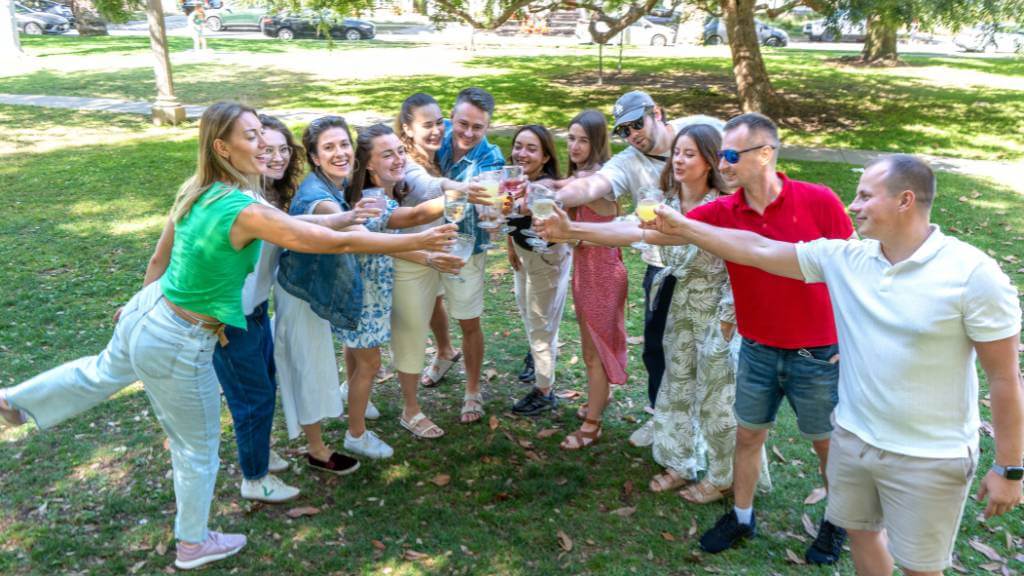
Give each team member a phone or camera and take a relaxed walk through a park, beach, art district, or historic neighborhood. Create simple photo prompts such as “teamwork,” “hidden beauty,” or “something that represents our company culture.”
Small group photo party. Photo by Picnic Makers
- Why It Works for Connection: The prompts encourage employees to notice their surroundings and share how they interpret the same idea differently.
- Best for Teams That Are…: Creative, observant, interested in social media, or in need of time away from screens and desks.
- A Pro-Tip to Make it Great: Finish with a casual slideshow where each person shares one favorite photo and the story behind it. Keep voting optional so the activity does not become overly competitive.
24. Community Garden Volunteer Session 🌱
Spend a few hours helping at a community garden through planting, watering, weeding, or preparing garden beds. The work is simple, meaningful, and easy to divide among team members.
- Why It Works for Connection: Working toward a visible result gives the team a shared sense of progress and purpose.
- Best for Teams That Are…: Community-minded, environmentally conscious, or interested in calm outdoor activities.
- A Pro-Tip to Make it Great: Contact the organizers first to confirm available tasks, accessibility, clothing requirements, and equipment. Pair the session with lunch or refreshments afterward so the team has time to talk.
25. Collaborative Storytelling Workshop ✍️
Start with a simple prompt and ask each employee to add a sentence, character, or plot twist. The group can build one shared story or divide into smaller teams and present their creations at the end.
- Why It Works for Connection: Storytelling encourages active listening, quick thinking, and creativity while giving every participant a chance to contribute.
- Best for Teams That Are…: Creative, remote, hybrid, or working in roles that require communication and fresh ideas.
- A Pro-Tip to Make it Great: Use playful prompts unrelated to work. Keep the activity informal and avoid judging grammar, presentation skills, or storytelling ability.
Why Most Team Building Fails 🤝
Use these planning principles to keep the event comfortable and useful for your group.
Q: What’s the #1 mistake companies make with small group team building? 👥
A complex or high-energy activity can put some people under pressure. Consider the atmosphere first: comfortable seating, a manageable schedule, and room for quieter conversation.

Small group beach dinner. Photo by Picnic Makers
Forced competition or intricate rules can make some people feel self-conscious. Keep instructions simple and let employees pass on activities without explaining why.
The real key is creating an environment of psychological safety. It’s a space where your team can have genuine conversations and simply enjoy each other’s company without pressure. These small group team-building activities should feel natural, not like another task on the to-do list.
💡 Planning tip: Leave room for informal conversation rather than filling every minute with an activity.
Q: So, what’s the secret to building authentic team connection? ✨
Plan a comfortable setting with enough structure that people know what to expect, plus free time to talk or take a break.
This is where thoughtfully planned team outing ideas become so valuable. A break from the usual office routine can give employees more room for informal conversation.
An offsite does not erase workplace hierarchies or pressure. Managers should keep participation optional and respect personal boundaries.
Gallup reports an association between workplace friendships and engagement: employees who have a best friend at work are more likely to be engaged. That association does not establish that a single team event will improve engagement or business results.
Q: How can managers evaluate a team event? 🤝
Some leaders might see a relaxed picnic or a pottery class as an expense with no clear return.

Small group beach picnic. Photo by Picnic Makers
Ask for brief, optional feedback afterward: Was the event comfortable? Did the pace work? What should change next time? Compare responses with the event’s original goal.
Do not treat attendance or positive feedback as proof of improved productivity, retention, or financial return. Those outcomes have many influences and need separate evidence over time.
Investing in your team is the ultimate form of appreciation. There are many creative ways to plan meaningful employee appreciation events that reflect this philosophy.
A Manager’s Quick Guide to Effortless Planning 📋
Great ideas are one thing; execution is another. Here’s how to plan an event that is effortless.
- Define Your Goal: Get clear on your reason for organizing the event. Celebrating a major win may call for lively corporate party ideas, while welcoming a new team member or planning a project may work better with a relaxed, conversation-focused activity. Your goal should shape the setting, schedule, and overall atmosphere.
- Consider Your Team’s Personality: You know your people best. An introverted, analytical team might prefer a museum visit over a high-energy cooking class. Choose an activity that fits their dynamic, not what you think a “fun” team should be doing.
- Outsource the Logistics: This is the most important tip. Your job is to connect with your team, not to be running around checking on catering or finding parking. Hiring an event provider can reduce the setup work, but confirm who handles food, transport, accessibility, and cleanup. Harvard Business School Online discusses the importance of creativity in business; that article does not establish that an offsite event improves focus.
For a deep dive into logistics, this comprehensive corporate event planning checklist is the perfect resource.
Pro Tip:
- If the event ends at 3:00 PM or later, do not make the team return to the office. Let them go home early to end the day on a high note.
Accessibility and Inclusion Checklist ♿
Team-building succeeds only when every employee can participate comfortably. Before booking an activity, collect preferences through a private survey so no one has to disclose personal needs in front of colleagues.
Appreciation event ideas. Photo by Picnic Makers
Use this checklist to create a more inclusive experience:
- Mobility: Confirm that entrances, pathways, restrooms, seating, and activity areas are accessible. Provide less physically demanding alternatives when needed.
- Dietary needs: Ask about allergies, intolerances, and vegetarian, vegan, halal, kosher, or other dietary requirements.
- Religious and cultural needs: Check religious holidays, prayer times, fasting periods, dress expectations, and activities involving physical contact.
- Sensory comfort: Consider noise, lighting, crowds, strong scents, temperature, and access to a quiet space.
- Alcohol preferences: Offer high-quality nonalcoholic drinks without asking employees to explain their choices.
- Social comfort: Share the schedule in advance, avoid forced performances, and let employees skip activities that make them uncomfortable.
- Transportation: Confirm accessible parking, public transit options, rideshare access, and safe transportation after the event.
- Outdoor exposure: Provide shade, water, sunscreen, suitable seating, and a clear backup plan for poor weather.
Inclusive planning creates the psychological safety employees need to relax, connect, and enjoy the experience together.
It’s Time to Reconnect Your Team 🤝
Building a truly connected team doesn’t happen by accident. It happens when you create an environment where people can genuinely relax and be themselves. As explained, the best outcomes happen in the best environments.
A luxury picnic provides that gold-standard setting for effortless, meaningful connection. It’s an experience, not just an activity.
Ready to give your team an experience they’ll be talking about for months? Explore our corporate picnic packages today. We specialize in creating these inspiring team-building ideas in LA and Orange County.
FAQs
What are good team-building activities for small groups?
Good activities for small groups prioritize connection over competition. Think of experiences like a collaborative cooking class or a styled picnic with separately arranged catering, where people have room for relaxed conversation.
How do you make team-building not awkward?
You make it less awkward by removing pressure. Choose activities that don’t force people to perform or compete. The key is creating a relaxed atmosphere of psychological safety where team members feel comfortable being themselves. Outsourcing the planning also helps you, as the manager, be present and relaxed.
What are the benefits of small group team-building activities?
A small-group event can give colleagues time to talk, share interests, and practice working together. Better retention, productivity, or morale should not be promised as automatic results. Start by choosing fun group activities for adults at work.