


Planning a company event often lands on the desk of someone who isn’t actually an event planner. You may be an office manager, executive assistant, HR lead, or team member suddenly responsible for bringing everyone together.
And you probably aren’t organizing a massive conference. You may be planning a company picnic, employee appreciation event, team offsite, client gathering, or milestone celebration where the goal is simply to create a well-organized experience people genuinely enjoy.
This 25-step corporate event planning checklist walks you through the process from setting the purpose and budget to choosing a venue, coordinating food and vendors, preparing for event day, and following up afterward.
How do you plan a corporate event?
Start by defining the purpose of the event, budget, audience, and expected guest count. Then choose the date and venue, confirm food and key vendors, plan the guest experience, create a simple event agenda and run of show, and prepare a backup plan for event day. For smaller company gatherings, keeping the plan simple and assigning clear responsibilities is usually more effective than overcomplicating the schedule.
Quick Navigation:
- Corporate Event Planning Checklist at a Glance
- Corporate Event Planning Timeline
- 25 Steps for Corporate Event Planning
- Event Logistics and Backup Plan
- Event Day and Follow-Up
- FAQs
Corporate Event Planning Checklist at a Glance 📋
Before diving into the full 25-step process, use this quick corporate event planning checklist to see the key tasks and when to handle them. It gives you a simple timeline for planning, budgeting, booking vendors, managing guests, and preparing for event day.
| Phase | Key Tasks | Recommended Timing |
|---|---|---|
| Strategy | Define goals, audience, and event type | 2–4 months before |
| Budget | Set the event budget and contingency fund | 2–4 months before |
| Venue | Choose the event date and secure the location | 2–4 months before |
| Vendors | Book catering, rentals, AV, entertainment, and other vendors | 2–4 months before |
| Guest Planning | Send invitations, manage RSVPs, and collect dietary needs | 4–6 weeks before |
| Final Prep | Confirm vendors, guest count, schedule, and run of show | 1–2 weeks before |
| Event Day | Manage setup, vendor coordination, and the guest experience | Event day |
| Follow-Up | Send thanks, collect feedback, share photos, and review results | 1–7 days after |
Corporate Event Planning Timeline 📅
A clear timeline makes corporate event planning easier to manage and helps prevent last-minute problems.
For most small to mid-sized company events, starting 2–4 months ahead provides enough time to choose a location, coordinate vendors, manage RSVPs, and prepare the details. Consider starting 3–6 months ahead for larger groups, popular dates, or events involving several vendors. Six to twelve months is usually only necessary for complex or large-scale events.

Beachside corporate picnic. Photo by Picnic Makers
Use this schedule to organize key tasks from early planning through post-event follow-up.
2–4 Months Before 🗓️
Start with the major decisions that shape the event.
- Define the event purpose and goals.
- Estimate the guest count.
- Set a preliminary budget.
- Choose possible dates.
- Research venues.
- Get internal approval.
- Check permit, insurance, and accessibility needs.
Larger events may require more lead time, especially when travel, popular venues, or multiple vendors are involved.
6–8 Weeks Before 📆
Once the main plan is approved, begin securing key services.
- Book the venue.
- Confirm the theme or event style.
- Hire catering, rentals, entertainment, and AV providers.
- Plan activities or team-building experiences.
- Review transportation and parking.
- Prepare a backup plan for outdoor events.
Booking early usually gives you more choices and reduces availability issues.
4–6 Weeks Before 📝
Shift your focus to guests and final logistics.
- Send invitations.
- Track RSVPs.
- Collect dietary and accessibility needs.
- Confirm food and beverage plans.
- Finalize activities and entertainment.
- Review seating and event layout.
- Share important event details with attendees.
1–2 Weeks Before ⏰
Use the final weeks to confirm every critical detail.
- Finalize the guest count.
- Confirm vendor arrival times.
- Prepare the run of show.
- Assign day-of responsibilities.
- Check AV equipment.
- Review weather and contingency plans.
- Organize vendor contacts in one shared document.
Event Day and Follow-Up 🎯
Arrive early, inspect the venue, confirm vendor setup, test AV equipment, and monitor the schedule throughout the event.
Within 1–7 days after the event, send thank-you messages, collect feedback, review attendance, compare actual spending with the budget, and record lessons that can improve your next company gathering.
25 Steps for Corporate Event Planning ✅
Now that you have the timeline, it’s time to work through the details. These 25 steps cover the decisions that shape the event, from setting goals and managing the budget to choosing vendors, planning the guest experience, and handling the final follow-up.
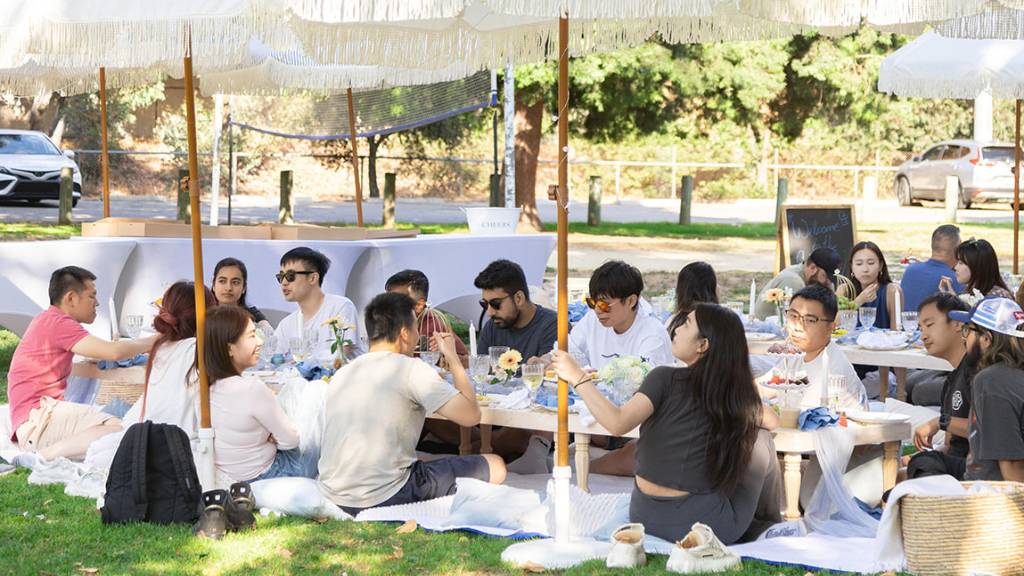
Outdoor company event. Photo by Picnic Makers
These 25 steps are designed primarily for small to mid-sized company gatherings. You may not need every step for every event, so use the sections that match your guest count, location, format, and budget. The goal is to keep the planning organized without turning a simple company gathering into an unnecessarily complicated production.
Set Clear Goals for the Gathering 🎯
This part of the planning process defines what the gathering should accomplish and how you want guests to experience it. Once those goals are clear, decisions about the venue, activities, food, and format become much easier.
Step 1: Clarify the “Why” 💡
Start with purpose. What do you want this event to do for your team? Is it a moment to celebrate something big? A chance to reconnect after a stretch of remote work?
Or just a pause in the middle of a busy season to show your people that they matter? Defining the emotional goal sets the tone for everything else in your corporate event planning journey.
Step 2: Choose Your Moment ⏰
Time of day matters. For instance, a morning event might spark productivity and lead to good, coffee-fueled conversation. Golden hour brings warmth and a touch of ceremony.
An evening fireside gathering feels slower, more reflective. The moment you choose shapes the rhythm and energy of the experience.
Step 3: Know Who You’re Planning For 👥
While managing numbers on a guest list, you’re also planning a company event for actual humans. Who’s coming, and what will make them feel welcome? Is it a tight-knit team that already feels like a good fit?
A cross-functional mix that needs a light structure to bond? A few thoughtful networking event ideas can make introductions and conversations feel more natural without turning the gathering into a formal networking session.
Step 4: Define the Vibe ✨
Here things start to take shape. Is your vision relaxed and cozy, with pillows on the grass and shared plates? Is it elevated and elegant, with long tables and soft lighting?
Maybe it’s something playful, with games, dancing, or a DJ. Looking at a few corporate party ideas can also help you narrow the atmosphere before choosing the décor, food, and entertainment.
If you want the gathering to feel more interactive, consider one or two activities that fit the group and purpose of the event:
- Group Mural Painting: Set up a large canvas or mural space where teams collaborate to create a piece that represents the company’s values or event theme.
- Creative Team-Building Exercises: Use the open space for creative team-building activities for small groups, such as a scavenger hunt, relay races, or a group art project. Focus activities on team spirit, communication, and problem-solving.
Keep activities purposeful rather than filling the schedule. For employee-focused gatherings, our employee appreciation event ideas offer more ways to make the experience feel rewarding without overplanning it.
Step 5: Create a Simple Vision Board 🎨
Pull a few images, color palettes, or even a line from a song that captures the feeling you’re after. It can live on Pinterest or a piece of scratch paper. Whatever it is, it becomes your anchor when decisions pile up.
Budget, Timeline, and Key Details 💰
Once the event direction is clear, turn it into a practical plan. Confirm the budget, date, approvals, timeline, and shared planning documents before committing to vendors or rentals.
Step 6: Confirm Your Budget and Contingency 💵
Set a realistic budget before booking venues, vendors, or activities. Break it into major categories such as venue, catering, rentals, entertainment, AV, transportation, decor, photography, and staffing.
Also reserve about 10–20% of the total budget for unexpected costs. Outdoor events may need extra spending for weather protection, additional rentals, permits, or last-minute changes.
Once your budget is set, decide where to spend more based on what matters most to the guest experience. For a company picnic, that might mean comfortable seating, quality food, engaging activities, or a well-designed setup rather than spending equally across every category.
Pro Tips from Sasha, Event Planner:
- Separate must-have expenses from nice-to-have upgrades before booking anything. This makes it easier to protect your budget when unexpected costs come up later.
Step 7: Choose a Date That Works for Your People 📅
This might sound simple, but timing can make or break your event. Avoid dates that bump up against big deadlines and high-stress seasons. People are more likely to enjoy the event when the date fits their schedules rather than competing with deadlines or busy periods.
Step 8: Get Internal Sign-Off Early ✅
Nothing stalls planning like waiting on approvals. Confirm the budget, date, and general event direction with the person who approves the event before making major reservations or deposits.
Step 9: Create a Flexible Planning Calendar 🗓️
Keep everything intentional. A shared planning calendar with gentle check-in points helps you avoid scrambling at the last minute. Drop in key dates: when invites go out, when vendors need confirmation, and when final numbers are due. It should give you more peace of mind.
Step 10: Organize Your Details in One Shared Doc 📄
Keep it all in one place. Use a Google Doc or any other tool that works best for your workflow. This gives you room to focus on the experience, rather than chasing scattered notes.
Choose the Right Venue, Layout, and Decor 🏛️
Now that you know the why and the when, let’s talk about how it all comes to life. These next steps are where your gathering starts to take shape.
Step 11: Choose a Venue or Setting That Supports the Vibe 🌿
Start with feeling. What kind of environment brings your event to life? A backyard garden, a sunlit loft, a quiet outdoor space with room to spread out? We believe that the rest of your event planning checklist becomes a lot simpler when the setting matches the mood.
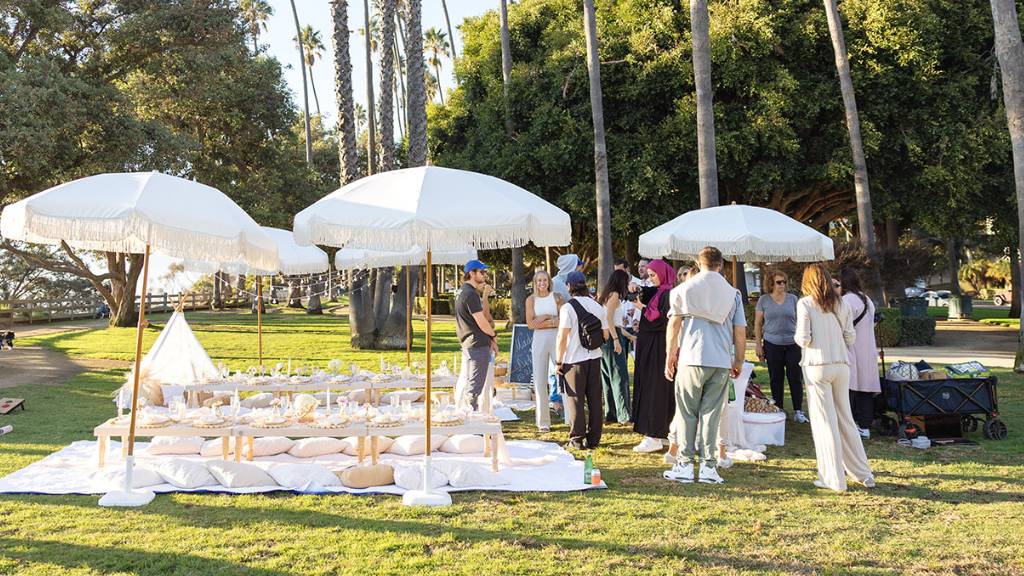
Corporate event setup. Photo by Picnic Makers
Step 12: Map the Flow of the Space 🗺️
Think through how guests will move through the space, from arrival and seating to food, activities, restrooms, and departure. A clear layout prevents bottlenecks and makes the event easier to navigate.
Pro Tips from Sasha, Event Planner:
- Walk the venue as if you were a guest. Check the path from arrival to seating, food, activities, restrooms, and exits to spot awkward bottlenecks before event day.
Step 13: Choose 1–2 Intentional Design Elements 🎨
A few intentional touches go a long way. A signature color palette, soft linen textures, and a lounge corner with low seating and candles. Pick a couple of things that quietly tie it all together- details that make people feel cared for.
Pro Tips from Sasha, Event Planner:
- Small design elements can reinforce the event style without taking over the budget. Depending on the setting, artificial flowers or string lights can add color, texture, or ambient lighting without requiring an elaborate installation.
Step 14: Lock in Rentals and Experiences Early 🪑
Book early and with a purpose. It’s easy to overdo it when you’re excited. Stick to what supports the experience, and balance style with budget so you can splurge where it counts.
Step 15: Create a Simple Visual Guide 🖼️
A lookbook doesn’t need to be fancy. Just a few photos, sketches, or notes that capture the tone. Share it with anyone helping you, so everyone is pulling in the same direction. It’s among the most underrated tools in any good event planning guide.
Plan Catering and the Guest Experience 🍽️
You don’t need a five-course menu to create a good guest experience. Choose food and a serving style that fit the timing, setting, and way you want people to interact.
Step 16: Match the Food to the Feeling 🍴
The food should reflect the mood. If the gathering is relaxed and casual, lean into things like shared platters, picnic-style bites, or grazing boards.
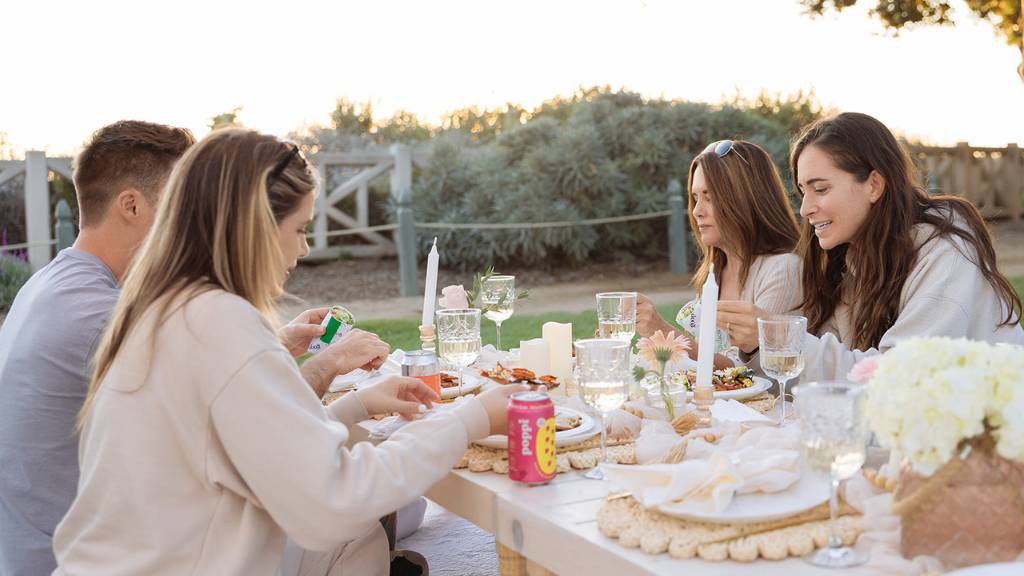
Relaxed outdoor corporate gathering. Photo by Picnic Makers
If it’s more focused or celebratory, think about something slightly elevated. It doesn’t have to be fancy. It just needs to feel right for the moment.
Step 17: Ask for Dietary Needs Up Front 🥗
Tacking this on at the last minute creates more stress than it’s worth. Add a line to your RSVP asking about allergies or preferences. It’s a small thing that shows a lot of care, and helps avoid awkward moments when someone’s left without options.
Pro Tips from Sasha, Event Planner:
- Give guests a simple way to share allergies, dietary preferences, and accessibility needs during RSVP. Early responses give caterers and planners more time to prepare suitable options.
Step 18: Decide How the Food Will Flow 🍽️
Are people wandering and chatting, or sitting down together? Food stations encourage movement and mingling. Shared tables make things feel more intimate. Passed bites create rhythm and energy. However it’s served, make sure it supports the kind of gathering you’re trying to create.
Step 19: Don’t Skip the Setup Details ✨
You don’t need centerpieces or folded napkins, but a few thoughtful touches go a long way. Real plates. Linen instead of plastic. A stem or two of florals. Even if it’s outdoors, a well-set table makes people feel like they’re part of something more than just another company gathering.
Step 20: Add One Small Surprise 🎁
It doesn’t have to be big. Maybe it’s a signature drink named after an inside joke. A dessert station no one was expecting. Or a barista who remembers your team’s coffee orders. These little moments are the things people talk about afterward, and that’s what makes an event feel personal.
For a casual outdoor event, one simple food station can also double as an experience. A popcorn machine, dessert station, or coffee bar gives guests something easy to enjoy while mingling.
Coordinate Vendors and Final Details 🤝
This is where the pieces start coming together. These final steps make sure the day feels as smooth as it looks.
Step 21: Finalize Your Vendor Details and Arrival Times 📞
Confirm the what, when, and where with every vendor. Double-check addresses, setup times, and who your day-of contact is. A quick call or email now saves a lot of frantic texting later.

Corporate beach picnic. Photo by Picnic Makers
For anything that matters, make sure someone’s name is attached to each piece.
Step 22: Send a Clear, Helpful Invitation 💌
Give guests the information they need without making them search for it. Include the purpose of the gathering, date, time, location, parking or transportation details, dress guidance if relevant, and an RSVP deadline.
Step 23: Build a Simple Event Agenda and Run of Show 📋
A smaller company event usually doesn’t need a complicated minute-by-minute conference schedule. Start with a simple guest-facing agenda: arrival, food, welcome remarks, one or two activities or recognition moments, free social time, and the closing.
Then create a short internal run of show for the people helping execute the event. Include vendor arrival times, setup deadlines, important transitions, and the person responsible for each task.
Keep enough flexibility in the schedule for conversations and natural breaks. A well-planned event should feel organized without making guests feel rushed.
Pro Tips from Sasha, Event Planner:
- Add vendor contacts, arrival times, setup deadlines, and the person responsible for each task to the run of show. Keep one mobile-friendly copy available for quick reference during the event.
Step 24: Don’t Run the Day Alone: Assign a Co-Pilot 👥
Even if you’re the main planner, don’t carry it all on your shoulders. Have someone you trust as your point person for small questions, vendor arrivals, or wrangling the group for photos. A good co-pilot keeps the day from becoming a blur and lets you enjoy it, too.
Step 25: Prep a Small Guest Gift or Moment of Thanks 🎁
This part is optional, but worth it. Maybe it’s handwritten thank-you notes, a tiny takeaway, or a short toast that acknowledges the people in the room. In corporate event planning, the quiet ending often leaves the loudest impression.
Confirm Event Logistics and Your Backup Plan 🌦️
One to two weeks before the event, confirm the details that can create problems on the day: parking, vendor access, restrooms, seating, shade, weather, transportation, power needs, and setup timing.
For outdoor company events, decide your weather plan in advance. Know what conditions would trigger extra shade, a time adjustment, a location change, or postponement. Deciding before event day removes unnecessary pressure.
- Transportation Arrangements: Confirm parking availability, rideshare access, transportation plans, and clear arrival instructions before sending final event details.
- Weather Contingencies: Plan for inclement weather to ensure the event runs smoothly.
- Comfortable Seating: Provide seating that keeps attendees comfortable.
- Adequate Restroom Facilities: Ensure restroom facilities are sufficient and accessible.
- Seamless Audio-Visual Setups: Implement effective audio-visual solutions for presentations or entertainment. Outdoor projectors ensure a clear image, while the best outdoor Bluetooth speakers deliver high-quality sound.
- Clear Communication With Vendors: Maintain open lines of communication for flawless execution.
- On-Site Coordination: Ensure on-site team coordination from setup to breakdown.
Pro Tips from Sasha, Event Planner:
- Build the backup plan before checking the final forecast. For outdoor gatherings, decide in advance what triggers a location change, schedule adjustment, extra shade, or weather protection so decisions are not made under pressure.
Manage Event Day and Follow-Up 🎯
Event day should be less about making new decisions and more about confirming that the plan is working. Arrive with enough time to inspect the setup, confirm vendor responsibilities, and solve small issues before guests arrive.
Arrive Early and Inspect the Setup
Walk through the venue from a guest’s perspective. Check seating, food areas, restrooms, signage, activities, shade, lighting, and any equipment before guests arrive.

Outdoor team-building activity. Photo by Picnic Makers
Confirm Guest Arrival and Key Responsibilities 👋
Make sure someone is ready to welcome guests, answer basic questions, and direct them to seating, food, or activities. Confirm that your day-of point people know their responsibilities.
Keep the Schedule Flexible ⏱️
Follow the main agenda, but allow reasonable flexibility for conversations, activities, and transitions. A few extra minutes rarely hurt a smaller company event if guests are engaged and enjoying themselves.
Capture the Event 📸
Assign someone to photograph both the setup and candid moments during the gathering. The photos can help with internal communications, company culture content, and planning future events.
Follow Up While the Event Is Fresh 💌
Send a short thank-you within a few days and collect feedback if appropriate. Note what worked, what caused friction, and what you would change before the next company event.
Create an Experience People Remember 💫
The care you’ve shown in thinking through every moment of the gathering matters. Your team may not always see the late-night planning tabs, but they’ll feel it when they show up to something that feels real.
The best company events don’t need to be complicated. A clear purpose, a comfortable setting, thoughtful food, a simple schedule, and reliable execution usually make the experience memorable.
If you’re planning a company picnic, employee appreciation event, team gathering, or corporate celebration in Los Angeles, Orange County, or Malibu, Picnic Makers can handle the setup, styling, rentals, and cleanup for you.
Explore our corporate picnic experiences and create an event your team can enjoy without turning someone on your staff into the full-time event coordinator.
With admiration,
The Picnic Makers Team
FAQs
How early should you start planning a company event?
For most small to mid-sized company events, start planning around 2–4 months in advance. Larger gatherings, popular dates, or events involving several vendors may benefit from 3–6 months of lead time.
What should be included in a corporate event budget?
Include major costs such as the venue, catering, rentals, entertainment, AV equipment, transportation, decor, photography, staffing, and permits if needed. It is also smart to set aside about 10–20% of the total budget for unexpected expenses.
How can you keep attendees engaged during a company event?
Choose activities that fit the group and the event’s purpose. Team-building games, interactive workshops, casual networking activities, live entertainment, or shared experiences can help people connect without making the event feel overly structured.
How should you collect feedback after the event?
Send a short survey within 24–48 hours while the experience is still fresh. Ask about the venue, activities, food, organization, and overall experience. Keep the survey focused so guests are more likely to complete it.
How do you choose the right vendors for a company event?
Look for vendors with experience handling events similar in size and style to yours. Review their work, check references or reviews, confirm what is included in the price, and clarify setup times, cancellation terms, and any extra fees before signing an agreement.
Still deciding what format would work best for your team? Explore our company picnic ideas for outdoor activities, themes, food, and setup inspiration.
Affiliate Disclaimer: This article contains affiliate links. We may earn a commission if you purchase through these links, at no extra cost to you.