
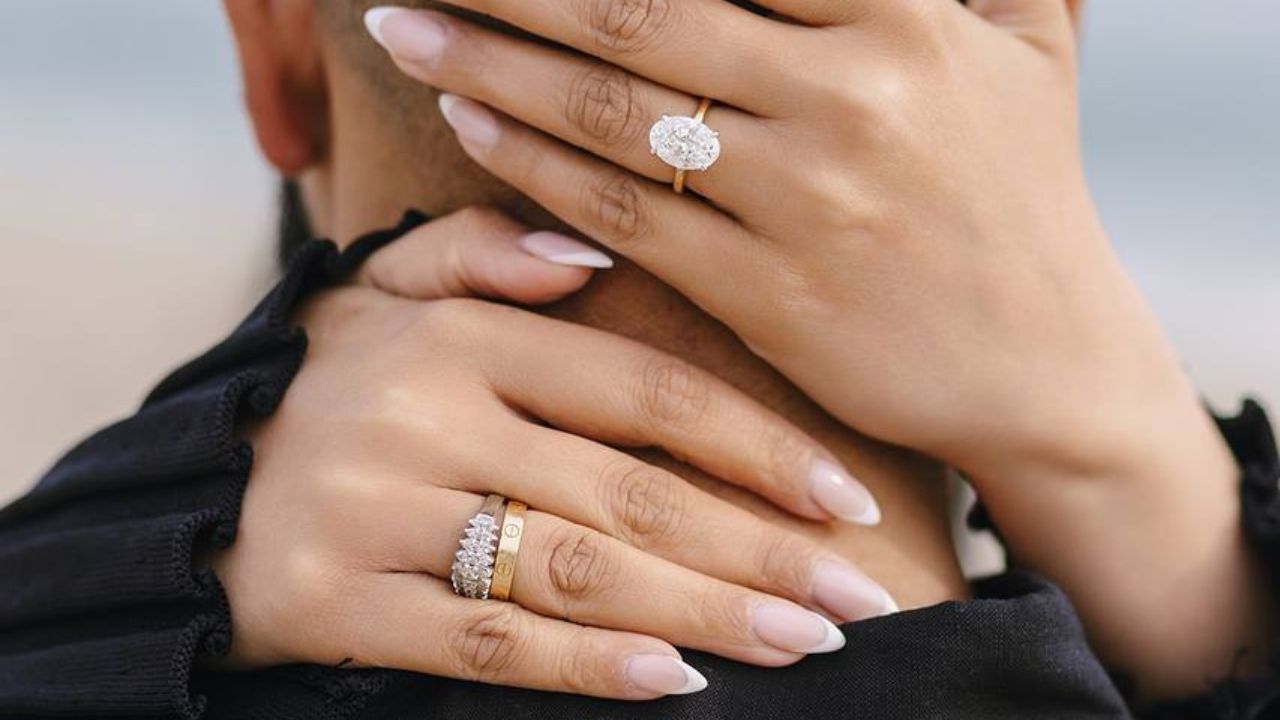

Ask anyone about to rent jewelry for their wedding what’s on their mind, and you’ll hear a version of the same worry. What if I break it? The clasp lets go mid-reception. An earring back disappears somewhere between the hotel sink and the dance floor. A bracelet comes back from the photo session with a scratch nobody clocked at the time.
That’s not paranoia. You’re about to wear a few thousand dollars of fine jewelry that isn’t yours. Worrying about it is just paying attention.
Here’s the part most people miss until they’re reading the fine print: the policies covering all of this are usually gentler than they assume. The catch is timing. You want to understand the rules before you rent, not while you’re standing over a returned piece doing mental math about what it’ll cost you.
Quick Navigation:
- How Damage Policies Work
- The Security Deposit
- Where the Responsibility Lands
- Before You Sign: Write It Down
- Protecting the Piece While You Wear It
- Is Third-Party Insurance Worth It?
- If Something Does Happen
- Quick Reference
- FAQs
How Damage Policies Work 📜
Every rental agreement draws one line that matters more than any other. On one side, normal wear. On the other hand, actual damage. Get clear on that line, and the rest falls into place.
Normal wear is the small, unavoidable evidence that a piece was worn by a human being. Light surface scuffing on metal. A bit of dulling that a quick polish fixes.
Faint marks you’d never spot from across a room. Any established service builds routine cleaning and touch-ups into its pricing. Nobody expects a piece back in showroom condition. They expect it back looking like someone wore it carefully.
Copyright © Photo by Picnic Makers
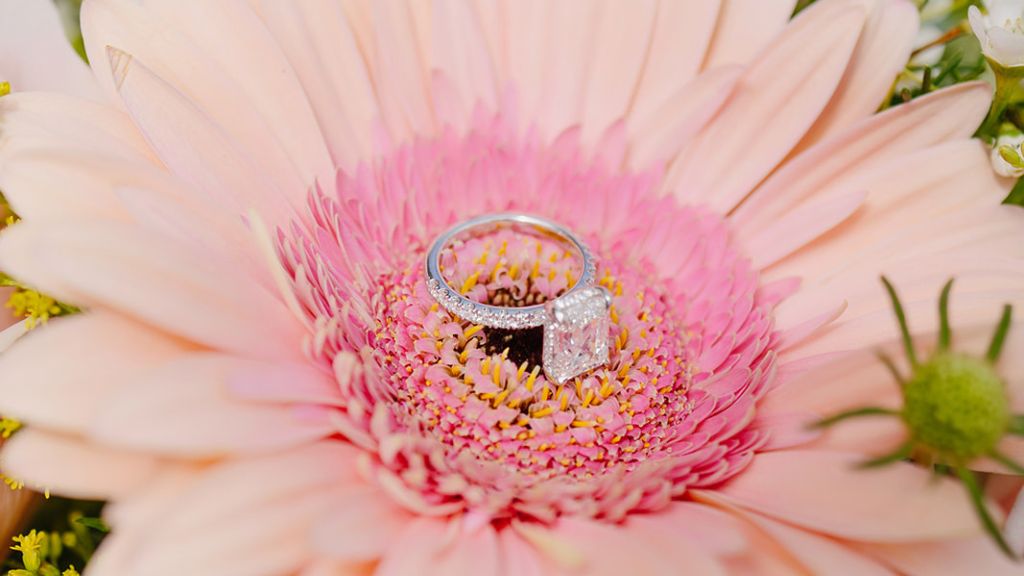
Actual damage is another animal. A stone gone from its setting. A snapped chain. A prong bent badly enough to threaten the whole setting. A scratch deep enough to change how the piece looks or what it’s worth. A missing component, like an earring back or a pendant bail. This is the stuff damage clauses were written for, and it’s where deposits and liability terms come into play.
Most services eat the cost of small accidents themselves. A clasp that misbehaves, a light scratch that buffs out, that sort of thing. What lands on you is the damage that needs a jeweler: lost stones, things that break, parts that don’t come back.
The Security Deposit 💰
Book a rental, and you’ll pay two separate amounts. There’s the rental fee, which buys you the use of the piece. And there’s a refundable security deposit, held against damage and returned once the piece comes back in good shape. Keep them separate in your head, because they do different jobs.
Deposit size tracks the value of the piece. At Elgrissy Diamonds, the figure scales: a piece worth around $3,000 might carry a deposit somewhere in the $400 to $600 range.
That’s not the full replacement cost. It’s a sensible number meant to cover the repairs that actually tend to happen, set low enough that it doesn’t make renting feel like a hostage situation.
So what does the deposit cover? Documented damage that falls on your side of the line, up to the deposit amount. If a repair runs higher than the deposit, the agreement spells out who pays the gap. Usually you do, which is exactly why you want to know the piece’s value and your ceiling before you sign anything.
And what it doesn’t cover: normal wear, any pre-existing marks logged at pickup, and shipping damage when the service uses insured logistics. Reputable ones do.
You get the deposit back in full once the piece is returned, inspected, and judged acceptable. Most services run one to five business days after they receive it.
Pro Tip:
- Use a high-limit credit card rather than a debit card for your security deposit. This keeps your actual cash liquid for wedding emergencies and ensures the ‘hold’ doesn’t bounce a check or trigger a bank fee while you’re on your honeymoon.
Where the Responsibility Lands ⚖️
A few scenarios come up again and again. Worth knowing each one cold.
- A missing stone. When a diamond or gemstone drops out of its setting during your rental, that’s usually on you, and it’s one of the pricier ways things go wrong. What it costs depends entirely on the stone: a tiny pavé accent is a different conversation from a half-carat feature stone. So before you walk out with anything, ask the jeweler directly about the condition of every setting, and flag any stone that feels even faintly loose while you’re still standing in the shop.
- A broken chain or a structural break. Snapped chain, busted bracelet link, cracked ring shank. All of it is repair territory. The good news is that these fixes are routine and fairly cheap. A broken gold chain might run $30 to $80, depending on the work. You’d pay for the repair, not the replacement.
- A missing part. Earring backs, pendant bails, sizing inserts. Small, necessary, and cheap to replace. Most services treat them as minor and move on. Just report them the moment you notice, rather than crossing your fingers and hoping the return inspection blinks. Owning up early almost always goes better than a problem found later.
- A real scratch. Surface scratches that polish away aren’t your problem. A deep gouge that needs professional refinishing is. So is a scratch on a stone. And yes, stones scratch: a diamond can scratch another diamond, which matters if you’re stacking pieces. Take the rental off before anything abrasive gets near it.
- Loss or theft. This is the big one. Most agreements hold you fully responsible for the retail replacement value of a piece that’s lost or stolen, minus whatever the deposit covers. It’s also where short-term insurance stops being optional and starts being smart. More on that below.
Pro Tip:
- If you’re renting expensive drop earrings, ask the jeweler if you can use ‘locking’ earring backs (like Chrysmalis or threaded backs). If they don’t provide them, spending $15 on a pair of high-quality universal locking backs is the cheapest insurance policy you’ll ever buy.
Before You Sign: Write It Down ✍️
Your single best protection costs nothing. It’s the pre-rental inspection, a shared record of the piece’s condition before it ever leaves the store.
Go over each piece with the jeweler and note:
- Any scratches, scuffs, or marks already on the metal
- The condition and security of every stone (ask them to confirm none are loose)
- That every clasp, back, and closure works
- The state of the settings, prongs, and bezels
A serious rental service runs this inspection itself and hands you written documentation of what it found. At Elgrissy Diamonds, every piece gets inspected and photographed before it goes out and again when it comes back.
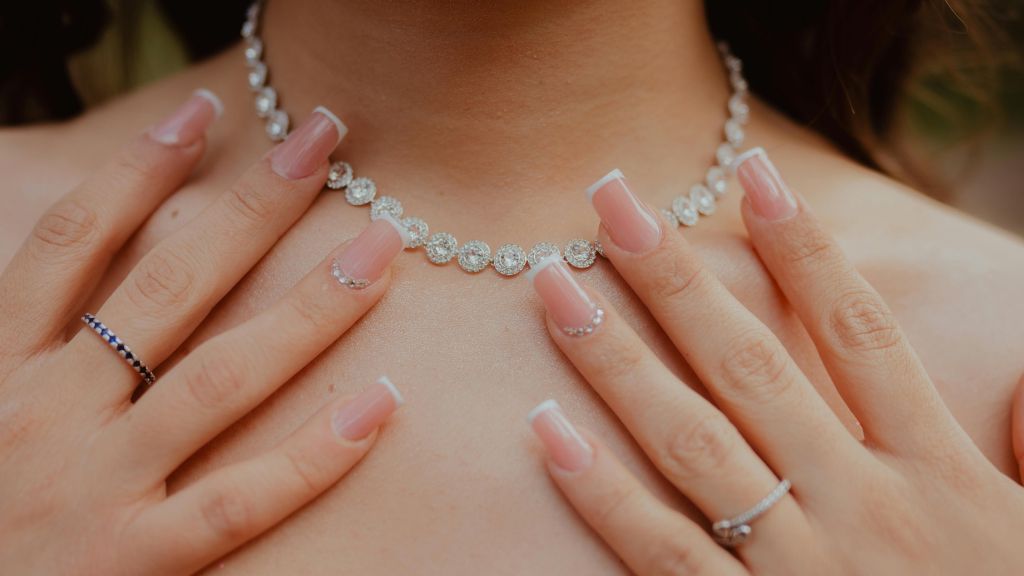
That before-and-after record protects both sides. If a service won’t do this, ask them to. And if they push back on documenting pre-existing conditions, take that as your answer about whether to rent from them at all.
Hold onto everything: the agreement, the condition notes, any pickup photos. If anyone ever questions the damage, that paperwork is your evidence.
Pro Tip:
- Don’t just rely on still photos. Take a 30-second, high-definition video of the piece under the jeweler’s lights, slowly rotating it. A video captures how light hits the stones and can prove a ‘crack’ was actually just a natural inclusion or a pre-existing surface mark.
Protecting the Piece While You Wear It 💍
Most jewelry damage happens in a handful of predictable moments, and nearly all of it is avoidable.
Take it off before it’s at risk. Before the dancing gets serious. Before hairspray and makeup. Before water of any kind, before sleep. This isn’t fussiness. These are the exact moments clasps fail, stones snag on fabric, and chains let go. Fine jewelry, yours or rented, was never built for impact or a swim.
Put it somewhere safe when it’s off your body. The room safe, or a dedicated pouch zipped inside a locked bag. Not loose in a makeup case, not parked on a bathroom counter. Losing a piece in a hotel room is the kind of thing you replay for years, and it’s completely preventable.
Don’t hand it around. Sounds obvious, until you’re three glasses of champagne into a wedding and someone asks to try on your necklace. For a rented piece, the answer is no, every time. You signed for it. That responsibility doesn’t move to whoever’s wearing it.
Work the clasps slowly. Most clasp damage comes from people rushing, going one-handed, fumbling in bad light. Slow down for every fastening.
Pro Tip:
- Follow the ‘Last On, First Off’ rule. Jewelry should be the absolute last thing you put on after your hairspray and perfume have dried, and the very first thing you take off when you get back to your room, well before you start unpinning your hair or stepping out of a dress.
Is Third-Party Insurance Worth It? 🛡️
If you’re renting something genuinely valuable, say $2,000 and up, look hard at a short-term policy that covers the rental window.
Some wedding insurers cover rented jewelry directly. BriteCo, for instance, writes policies that cover rental pieces, covering loss, theft, and accidental damage. A week of coverage on a $3,000 piece typically lands somewhere between $15 and $40. Set that against what you’d owe if the piece vanished, and the math makes itself.
One call to make first: check whether your homeowner’s or renter’s policy already extends to high-value items you’re temporarily holding. Some do. Plenty explicitly doesn’t cover what you don’t own. Five minutes on the phone before the wedding weekend tells you which camp you’re in.
For the record, Elgrissy Diamonds insures every rental during shipping, both directions. What that insurance can’t reach is damage or loss while the piece is in your hands. That window is exactly what your own coverage or a short-term policy is for.
If Something Does Happen 🚨
The right move is fast and honest. Tell them. Don’t sit on it and pray the return inspection misses what you already know is there.
Reach out the moment you find the problem. Say what happened, describe the damage, ask what’s next. Any legitimate operation handles disclosed damage like professionals. A clasp you report the same day is a completely different conversation from the same clasp discovered on return after you said nothing.
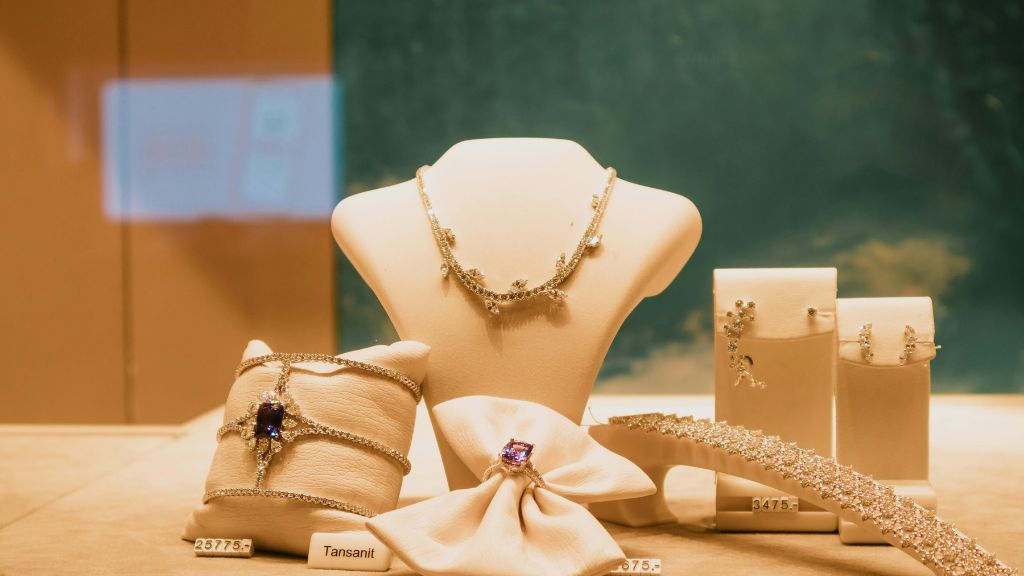
If a stone is missing, hunt for it before you assume the worst. Settings often fail slowly, and the stone may still be sitting in the pouch, the case, or the return packaging. Find it, and you’ve turned a replacement bill into a far cheaper reset.
Photograph any damage before you send the piece back. That fixes the condition at the moment you found it, which matters if anyone later questions when or how it happened.
Pro Tip:
- If you suspect a stone fell out in a carpeted area, turn off the overhead lights and shine a flashlight parallel to the floor. The gemstone will catch the light and sparkle or cast a distinct shadow, making it much easier to find than searching by hand.
Quick Reference 📊
| Scenario | Usually Covered By | Your Likely Cost |
|---|---|---|
| Light surface scratches Polishable |
Rental service | None |
| Clasp malfunction | Rental service | None |
| Minor metal scuffs | Rental service | None |
| Broken chain or bracelet link | Renter | Repair ($30–$100) |
| Missing earring back | Renter | Replacement cost, usually minimal |
| Bent or damaged prong | Renter | Repair ($50–$150) |
| Missing pavé accent stone | Renter | Stone replacement and resetting |
| Missing feature stone | Renter | Repair or replacement, with costs varying significantly |
| Deep scratch requiring refinishing | Renter | Refinishing cost |
| Lost piece | Renter | Retail value minus the deposit |
| Stolen piece | Renter or third-party insurer | Retail value minus the deposit |
FAQs
Do I automatically lose my deposit if something gets damaged?
No, and rarely all of it. A deposit is held against damage, not forfeited on sight. If the repair costs less than the deposit, you get the difference back. If there’s nothing beyond normal wear, the whole thing comes back.
What if the clasp was already weak when I got it?
This is the entire reason pre-rental documentation exists. If the jeweler noted a worn clasp before handing the piece over, that condition is on them, not you. Without that note, it’s your word against theirs.
Can I just get it repaired myself instead of paying for the service?
Don’t, not without their explicit say-so. Letting an outside jeweler work on the piece can muddy the damage assessment and your liability. Call the rental service first and follow their process.
Can they really tell old damage from new?
Yes. Experienced jewelers inspect and photograph pieces between every rental. That’s precisely why you document the condition at pickup, too, so any existing mark is on the record before the piece is ever in your hands.
What if I lose one earring from a pair?
One of the most common ways people get caught out. A single lost earring usually means liability for the whole pair, since one earring is close to worthless to the service on its own. Worth knowing before you wear easy-to-misplace drop earrings through a long night. If you can, ask specifically for secure backs that stay put.